
One Infrastructure – Unlimited Use Cases
A city-owned payment system gives cities and regions an infrastructure to distribute money, benefits and incentives – while defining where that money can be spent. It can be adapted to countless local strategies — from economic revitalization of city areas to social inclusion projects. It all happens on the same local payment infrastructure. Here are some inspiring examples:
- Mitigating negative Effects of Overtourism
- Welcome bonus for new skilled workers
- Turning Visitors into Local Customers
- Revitalizing City Centres & Neighbourhoods
- Local Gift Cards
- Local Rewards for Sustainable Behaviour
- Targeted Social & Community Support
- Local Payments for Events & Festivals
1. Mitigating negative Effects of Overtourism

SITUATION: Successful tourist destinations benefit economically from tourism – but residents often bear a large part of its negative effects. Rising prices, crowded public spaces, pressure on housing and infrastructure can create the feeling that visitors benefit from the city while local residents pay the price.
SOLUTION: A destination can introduce a tourism solidarity contribution and redistribute part of the proceeds directly to local residents as local credit. Instead of simply becoming part of the municipal budget, the money becomes visible and tangible for residents – and can only be spent within the local economy.
EXAMPLE: Visitors pay an additional €2 per overnight stay. The revenue is redistributed once a year: every permanent resident receives €75 in local digital credit that can be spent at participating shops, restaurants, cafés and service providers.
EFFECTS: Residents participate directly in tourism revenues. At the same time, the money remains in the destination and generates additional turnover for local businesses. The model combines tourism management, resident acceptance and local economic development in one instrument.
Find a detailed concept paper here:
2. Welcome bonus for new skilled workers
SITUATION: Smaller cities and rural regions increasingly compete for skilled workers and young residents. Young people are drawn to larger cities, where there are more jobs and things to do. As a result, many cities and regions lack young talent and young people and become overaged.
SOLUTION: With a welcome bonus for new residents, affected cities offer financial incentives to attract young people. Unlike a traditional cash payment, the incentive directly introduces new residents to local shops, restaurants, cultural venues and services.
EXAMPLE: “Come and live in Varese” (ITALY): The city of Varese pays anyone under the age of 40 who moves to Varese and has an active job contract with a local company EUR 2,000 per year for three years, a total of EUR 6,000.
EFFECTS: The program makes relocation more attractive while ensuring that public funding remains within the local economy. New residents discover local businesses from day one, and local employers gain an additional argument when recruiting skilled workers.

3. Turning Visitors into Local Customers
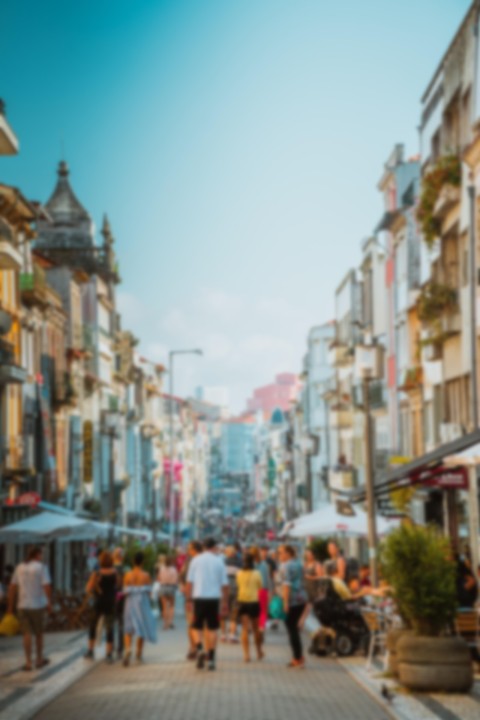
SITUATION: Destinations spend significant budgets on attracting visitors. But once tourists arrive, a large share of their spending may go to international booking platforms, global brands or businesses outside the destination.
SOLUTION: Tourism organisations can provide visitor credit that can only be spent with participating local businesses. The credit may be included in accommodation packages, financed through tourism marketing budgets or offered as part of specific campaigns.
EXAMPLE: Visitors staying at least three nights during the low season receive €30 in local credit. They can spend it at participating restaurants, cafés, shops, museums and leisure attractions throughout the destination.
EFFECTS: The incentive encourages visitors to explore the local economy and can stimulate additional spending far beyond the original bonus. It can also help destinations redirect demand towards specific areas, businesses or periods of lower tourist activity.
4. Revitalizing City Centres & Neighbourhoods
SITUATION: City centres and individual neighbourhoods can lose footfall due to online shopping, changing consumer behaviour, construction projects or the relocation of major retailers. Traditional marketing campaigns create attention – but not necessarily actual purchases.
SOLUTION: Cities can combine communication campaigns with targeted local spending incentives. Bonuses or subsidized credit can be restricted to a particular district, period or group of participating businesses.
EXAMPLE: After a lengthy construction project, a city launches a six-week campaign: Residents purchasing €50 in local credit receive an additional €10 funded by the municipality. The bonus can only be spent with businesses located in the affected city centre area.
EFFECTS: Public campaign budgets are converted directly into customer visits and measurable local spending. The incentive can generate additional purchases, attract people back into the area and support businesses precisely where assistance is needed.
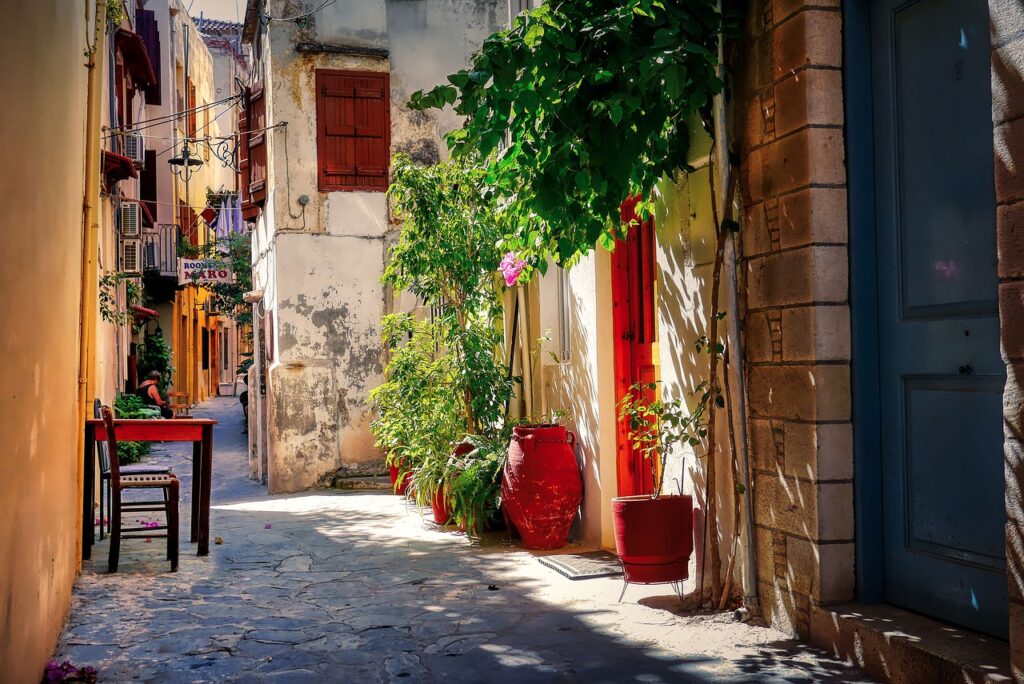
5. Local Gift Cards

SITUATION: Consumers spend billions on gift cards – but much of this purchasing power goes to global online platforms and large retail chains. Cities and business associations want to offer an attractive local alternative.
SOLUTION: A city-wide gift card connects retailers, restaurants, leisure providers and service businesses within one local payment network. The card can be issued physically, digitally or both.
EXAMPLE: A city launches one gift card accepted by 180 local businesses. Customers can purchase it online, at the tourist information office or at participating sales points and use the balance flexibly across the entire network.
EFFECTS: Money given as a gift remains within the community. Recipients discover local businesses, participating merchants gain new customers and the city creates a visible common product for its local economy.
6. Local Rewards for Sustainable Behaviour
SITUATION: Cities invest substantial amounts in sustainability, mobility and civic engagement programs. But changing everyday behaviour can be difficult when the benefits for individual residents remain abstract.
SOLUTION: Positive behaviour can be rewarded with local credit rather than cash. Cities decide which activities qualify and where the reward can subsequently be spent.
EXAMPLE: Residents earn local credit for activities such as using public transport, cycling to work, participating in clean-up initiatives or volunteering at community events. A participant completing a city mobility challenge receives €20 that can be spent with local businesses.
EFFECTS: One budget creates two effects: The city incentivizes the desired behaviour while simultaneously generating purchasing power for its local economy. The reward becomes visible, practical and immediately useful to residents.

7. Targeted Social & Community Support

SITUATION: Municipalities and social organisations regularly provide financial assistance to specific groups. Traditional paper vouchers create administrative work, while unrestricted cash payments may not always fit the objective of a particular support program.
SOLUTION: Support can be distributed as digital local credit within a predefined acceptance network. Depending on the program, the credit can be accepted by all participating businesses or only by selected categories or providers.
EXAMPLE: A municipality provides eligible families with €150 in school-start support. The credit can be used at participating stationery shops, children’s clothing stores, bookstores and other approved local businesses.
EFFECTS: Recipients can use the support conveniently and flexibly within the intended framework. At the same time, public funds generate turnover for local businesses and transactions can be administered transparently through one infrastructure.
8. Local Payments for Events & Festivals
SITUATION: Festivals, Christmas markets, cultural events and temporary city events often bring together dozens or hundreds of independent vendors. Organisers need a simple payment infrastructure that works temporarily and does not require every participant to set up their own complex system.
SOLUTION: The existing local payment network can be expanded into a temporary event payment system. Visitors use QR codes, cards or digital credit to pay participating vendors.
EXAMPLE: A city festival with 60 food, beverage and retail vendors uses the city’s payment system for the entire three-day event. Visitors can purchase event credit digitally or at physical sales points and spend it throughout the festival.
EFFECTS: Payments become easier to manage, cash handling is reduced and organisers gain transparency about transaction volumes. Most importantly, the city does not need to create a new isolated payment solution for every event: the same local infrastructure can be reused again and again.
More Use Case Examples
Economic Development & Retail
- Seasonal Campaigns – “Back to the City” or “Shop Local Weeks” that reward residents for supporting nearby businesses.
- Economic Push – subsidized vouchers to encourage local shopping
Tourism & Culture
- City Experience Cards – Visitors receive prepaid cards to spend at local attractions, keeping tourism revenue local.
- Cultural Passes – Combine local culture and commerce: pay for museum entries and nearby restaurants with one card.
Social & Public Initiatives
- Employee Benefits – tax-free vouchers as part of public employee programs.
- Emergency Relief Tools – Rapidly distributing funds to citizens in case of local crises.
Innovation & Engagement
- Local Gamification – Reward citizens for participating in civic challenges (e.g., volunteering, attending local events) or gamified city engagement campaigns.
- Participatory Budgeting – Distribute micro-credits that residents can “vote” with by spending them on preferred local projects.
Smart City Integration
- Public Transport Integration – Combine with mobility passes or parking apps.
- Data Insights – Use transaction data to understand local spending behavior.
The Principle Behind All Use Cases
The use cases may look completely different – but the underlying mechanism is always the same:
- Someone provides the funds.
A city, region, employer, tourism organisation, sponsor or consumer. - Someone receives the value.
Residents, visitors, employees, families or other target groups. - The city defines where it can be spent.
Across the entire local economy or within a specific network, district, sector, campaign or event. - The money circulates locally.
This turns a payment system into a flexible instrument for local economic development.